Songs you may already know
Funiculì, Santa Lucia and more
The stories behind Funiculì, Funiculà, Santa Lucia and Torna a Surriento, plus two songs from after 1950, as a listening list.
Book the Neapolitan concert ↗Quick answer
Funiculì, Funiculà (1880) celebrates the first funicular on Mount Vesuvius. Santa Lucia, published in 1849, is a boatman's invitation and the first Neapolitan song translated into Italian. Torna a Surriento is by the De Curtis brothers. All are classics of Neapolitan song. The concert's programme changes by date, so use this as a listening list, not a setlist.
How to use this list
These are the songs most visitors have already heard without knowing where they came from. They are the genre's best-known pieces, and a concert of traditional Neapolitan song draws on that world. The programme changes with the performers, so none of them is promised on a given night. Treat the list as background: knowing a story makes the song easier to follow when it arrives, and easier to join if the room sings.
Funiculì, Funiculà
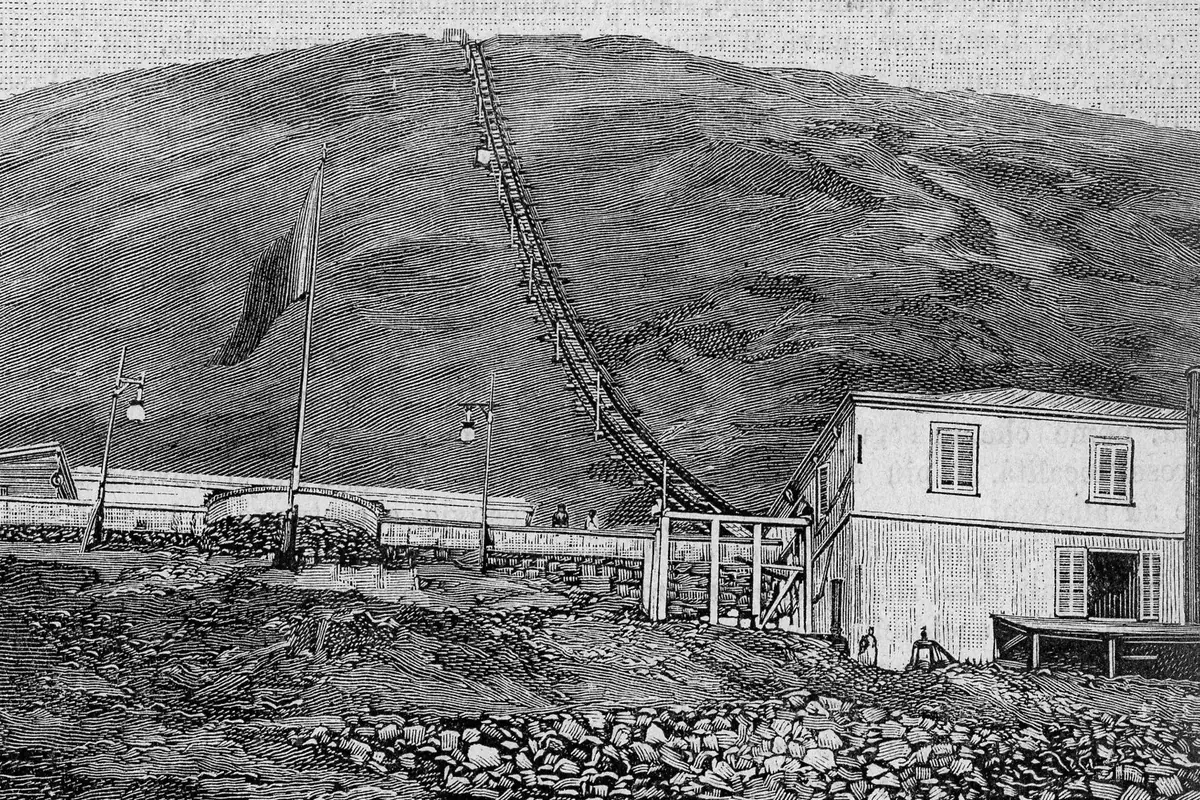
Luigi Denza composed it in 1880, with lyrics by the journalist Peppino Turco, to commemorate the opening of the first funicular railway on Mount Vesuvius. It was presented at the Piedigrotta festival the same year, and the sheet music, published by Ricordi, sold over a million copies within a year. In Turco's original lyrics, a young man compares his sweetheart to a volcano and invites her on a romantic trip to the summit.
The song that fooled Strauss
Richard Strauss heard the song on a tour of Italy six years after it was written, took it for a traditional Neapolitan folk song and used it in his tone poem Aus Italien. Denza sued and won, and Strauss had to pay a royalty. Rimsky-Korsakov made the same mistake in his 1907 Neapolitan Song. That a modern song was taken for folk music says something about how fast it spread.
Santa Lucia
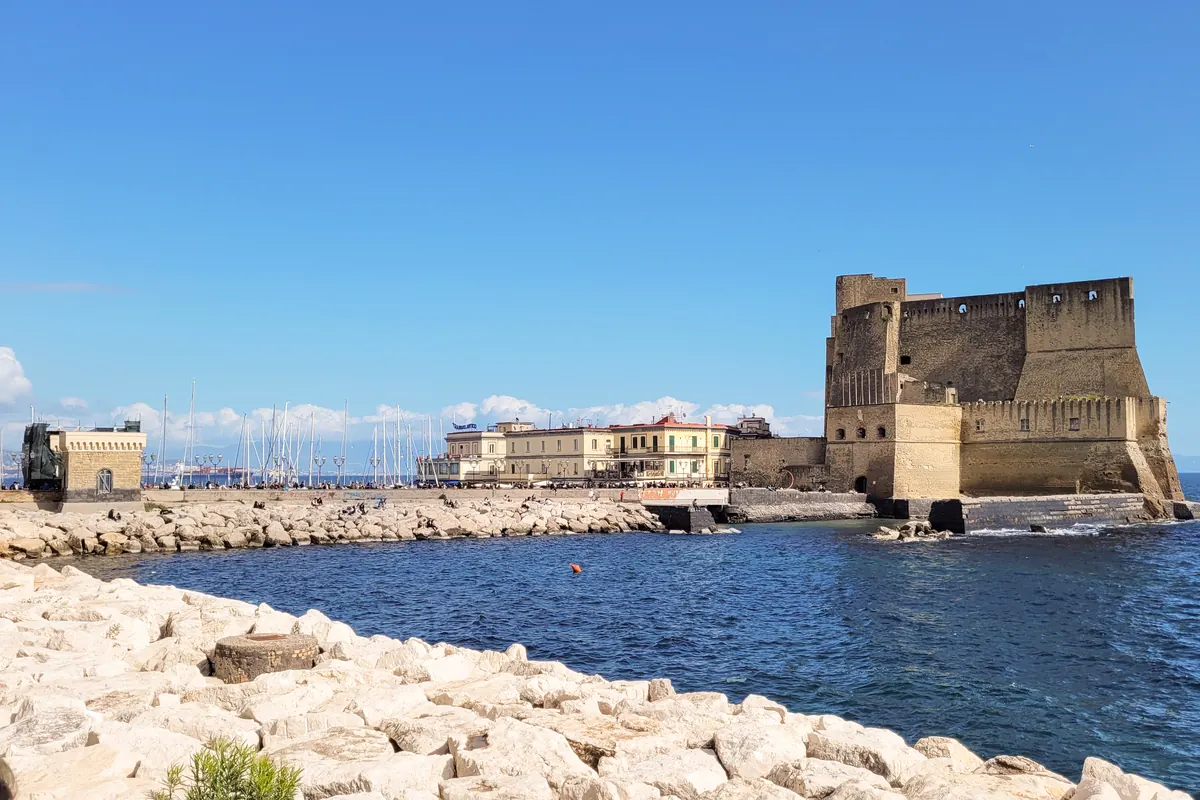
Santa Lucia is a traditional Neapolitan song. Teodoro Cottrau translated it from Neapolitan into Italian and his firm published it as a barcarola in Naples in 1849, during the first stage of Italian unification. It was the first Neapolitan song translated into Italian lyrics. The original words celebrate the waterfront district of Borgo Santa Lucia in the Gulf of Naples, with a boatman inviting you into his boat to enjoy the cool evening. Enrico Caruso's recording is considered perhaps the definitive one of the 20th century.
Torna a Surriento
Torna a Surriento, Come Back to Sorrento, was composed in 1894 by Ernesto De Curtis to words by his brother Giambattista, a poet and painter. It was copyrighted in 1905. Tradition holds that it dates from 1902, when Sorrento's mayor asked Giambattista for a song for the visiting Prime Minister, Giuseppe Zanardelli, though family papers suggest an earlier origin. Either way it remains one of the most popular songs of the tradition.
Santa Lucia abroad
Santa Lucia travelled far from the Bay of Naples. In Sweden, Finland, Denmark, the Faroe Islands and Norway it was given new lyrics for Saint Lucy's Day, at the darkest time of the year, and the best-known Swedish version is Sankta Lucia, ljusklara hägring. In the Czech Republic it became famous as Krásná je Neapol, Naples is beautiful, sung by Waldemar Matuška. In Austria it is known as Wenn sich der Abend mild. That a boatman's invitation became a winter-light song shows how far Neapolitan tunes could go.
After 1950
Neapolitan song did not stop in the first half of the 20th century. Wikipedia names Malafemmena by Totò and Maruzzella by Renato Carosone among the songs written since 1950 that have become classics in their own right. Treccani places Carosone, with Peppino di Capri, in the shift toward American-influenced pop. If a concert reaches past the classic era, these are names to listen for.
Who this list isn't for
It is not a promise of a setlist, and it is not a complete survey. If you want the full repertoire, a recorded anthology will do more. If you want the songs sung live in the room, with a different performer each date, the concert is the way to hear a handful of them. Read the stories, pick one, and listen for it.
Read next: 'O sole mio: the story
Frequently asked questions
Which songs will the concert play?
The programme changes with the performers and is not fixed in advance. The hour ends with a sing-along to 'O sole mio.
What is Funiculì, Funiculà about?
It was written in 1880 to commemorate the first funicular railway on Mount Vesuvius.
Is Torna a Surriento about Sorrento?
Yes. Its title means Come Back to Sorrento, and it expresses longing for the town.
Sources