The song that ends the hour
'O sole mio: the story
Who wrote 'O sole mio, how its music was credited and disputed, and how an 1898 Neapolitan song became a worldwide favourite.
Book the Neapolitan concert ↗Quick answer
'O sole mio is a Neapolitan song written in 1898, with lyrics by Giovanni Capurro and music by Eduardo di Capua and Alfredo Mazzucchi. Its title means my sun. For decades the music was credited to Di Capua alone, until a 2002 court ruling in Turin recognised Mazzucchi as a co-composer. The concert ends with the audience singing it.
The song in short
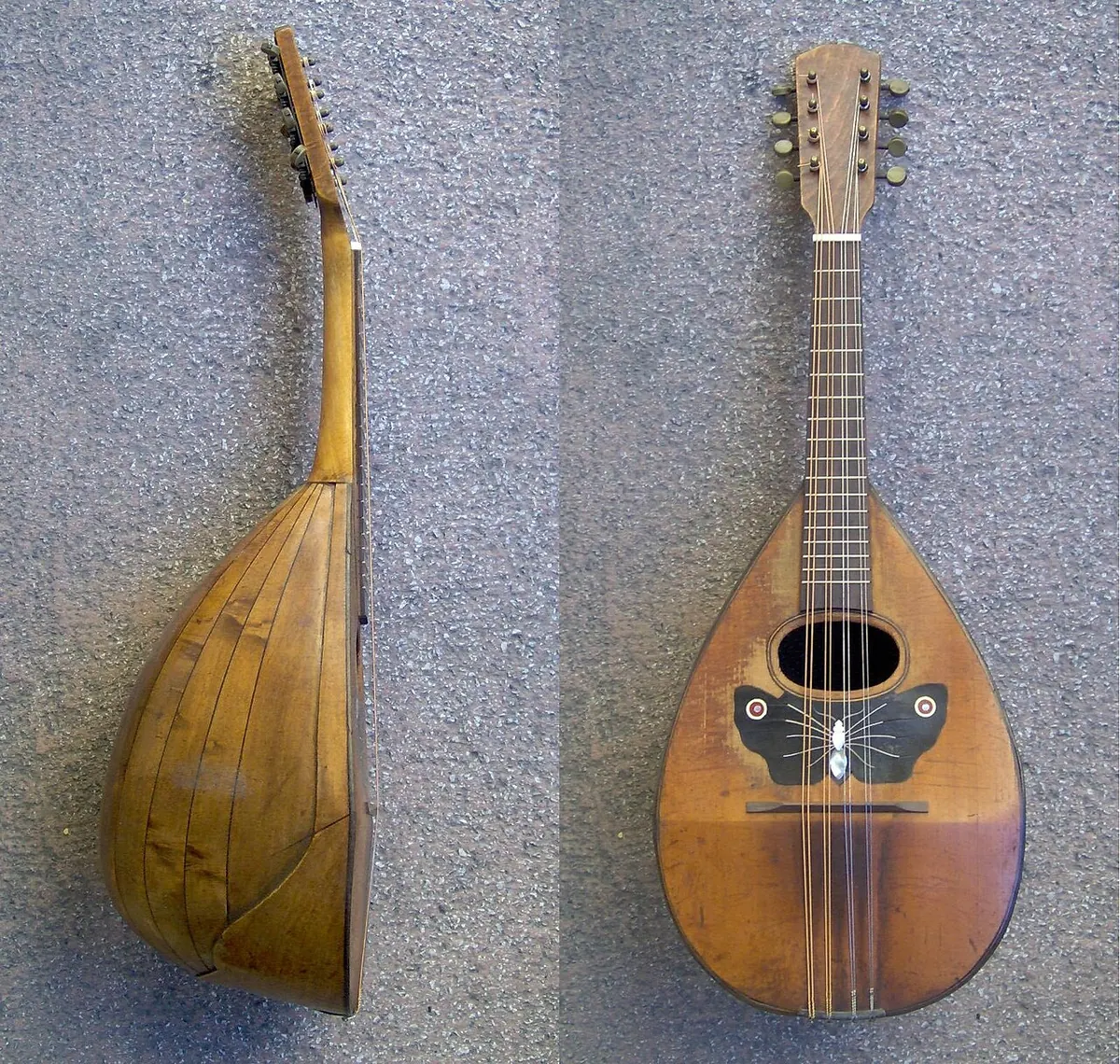
'O sole mio is a Neapolitan song written in 1898. Its Neapolitan lyrics were written by Giovanni Capurro, and the music was composed by Eduardo di Capua (1865 to 1917) and Alfredo Mazzucchi (1878 to 1972). The title translates literally as my sun, or my sunshine. The lyrics have been translated into many other languages, and the melody is among the best known to come out of Naples.
Where it was written
According to the traditional account, Di Capua composed the music in April 1898 in Odessa, while touring with his father's band. Treccani gives the most popular version too: the melody came first and the publisher F. Bideri later entrusted the words to Capurro, an editor of the magazine Tavola rotonda. Treccani adds that more authoritative sources say Di Capua had already agreed with the publisher before leaving for Russia, taking Capurro's verses with him.
Mazzucchi's share
For nearly 75 years after publication the music was generally attributed to Di Capua alone. It turned out, however, that the melody was an elaboration of one of 23 that Di Capua had bought from Alfredo Mazzucchi the year before. In November 1972, shortly after her father's death, Mazzucchi's daughter lodged a declaration with Italy's literary property office, seeking recognition of her father as co-composer of 18 of Di Capua's songs.
The 2002 ruling
In October 2002 a judge in Turin, Maria Alvau, upheld the declaration and ruled that Mazzucchi was a legitimate co-composer of the 18 songs, because they included melodies he had composed and sold to Di Capua in June 1897 with written authorisation to use them freely. At the time of the decision, 'O sole mio had therefore not yet entered the public domain in any country party to the Berne Convention, as it would have in Italy had Di Capua been the sole composer.
Piedigrotta, 1898
Treccani records that a notice in Tavola rotonda in 1898, on the eve of Piedigrotta, presented the song with a line about remembering one's sun from afar. That places it in the festival season that shaped Neapolitan song, and Treccani cites it as the first famous example of the new, foreign-influenced style. The story ties the song to the same world of publishers, poets and contests described in the history of canzone napoletana.
Read next: Canzone napoletana history
From Naples to the world
In 1915 Charles W. Harrison recorded the first English version. The song has been performed and covered by many artists, among them Enrico Caruso, Beniamino Gigli, Mario Lanza, Luciano Pavarotti and Andrea Bocelli. Pavarotti won the 1980 Grammy Award for Best Classical Vocal Performance for his rendition. At the opening ceremony of the 1920 Summer Olympics in Antwerp it was played in place of the Italian national anthem, whose sheet music had not been delivered.
It's Now or Never
In 1949 the US singer Tony Martin recorded There's No Tomorrow, which used the melody. About ten years later, Elvis Presley, stationed in West Germany with the US Army, heard it and put a private version on tape. After his discharge he asked for new lyrics, written by Aaron Schroeder and Wally Gold, and the result, It's Now or Never, was a worldwide hit. So if the tune sounds familiar before you hear a word, that may be why.
Singing it at the concert
The one-hour concert ends with a sing-along to 'O sole mio. You do not need Italian: guests who knew none of the words still describe it fondly. Listen first for the shape of the tune, then join the chorus when the room does. The performers lead, and everyone sings together. Each date has a different performer, so the version you hear will be your own.
Frequently asked questions
What does 'O sole mio mean?
My sun, or my sunshine. The song is in Neapolitan and dates from 1898.
Who wrote 'O sole mio?
Giovanni Capurro wrote the lyrics. The music is credited to Eduardo di Capua and Alfredo Mazzucchi.
Is it the tune of It's Now or Never?
Yes. Elvis Presley's hit used the melody of 'O sole mio with new English lyrics.
Sources